

Spring Light in Antelope Canyon: Why April Reveals the Canyon’s Most Vibrant Photography
The sandstone walls of Upper Antelope Canyon have been shaped by water, time, and the forces of nature for thousands of years. Yet what brings those walls to life is something far more fleeting—canyon light.
As spring arrives across Northern Arizona, the quality of light entering the canyon begins to change. By April, sunlight reaches deeper into the narrow sandstone passages, revealing vibrant colors, flowing textures, and the timeless curves carved by centuries of flash floods.
For photographers, this season offers a rare balance of illumination and softness. For viewers, it reveals why Antelope Canyon has become one of the most iconic landscapes in the American Southwest.
Understanding how this light moves through the canyon helps explain why artists like Lionel Bigthumb continue returning to these sacred landscapes to capture moments that feel both powerful and timeless.
This April also marks a special milestone for his work. Beginning April 1st, a full gallery of Lionel Bigthumb Visuals will be installed at the Mayo Clinic, bringing the beauty and healing presence of Antelope Canyon’s light into a space dedicated to wellness, reflection, and human care.
As spring arrives across Northern Arizona, the quality of light entering the canyon begins to change. By April, sunlight reaches deeper into the narrow sandstone passages, revealing vibrant colors, flowing textures, and the timeless curves carved by centuries of flash floods.
For photographers, this season offers a rare balance of illumination and softness. For viewers, it reveals why Antelope Canyon has become one of the most iconic landscapes in the American Southwest.
Understanding how this light moves through the canyon helps explain why artists like Lionel Bigthumb continue returning to these sacred landscapes to capture moments that feel both powerful and timeless.
This April also marks a special milestone for his work. Beginning April 1st, a full gallery of Lionel Bigthumb Visuals will be installed at the Mayo Clinic, bringing the beauty and healing presence of Antelope Canyon’s light into a space dedicated to wellness, reflection, and human care.
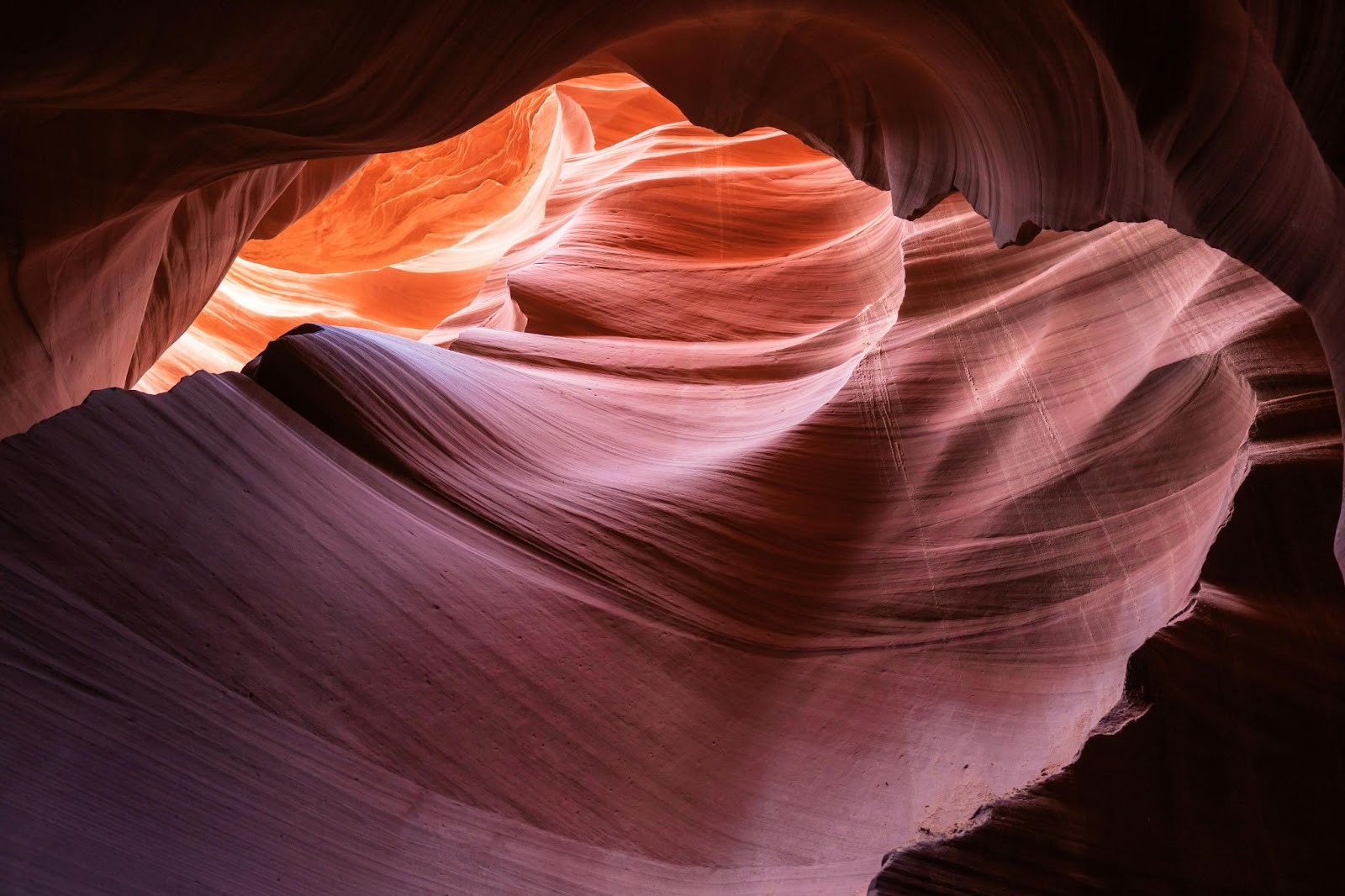
The Canyon as a Natural Chamber of Light
Antelope Canyon is a slot canyon, formed when water slowly carved deep pathways through Navajo sandstone.
The canyon walls rise high above visitors while the openings above remain narrow. Because of this structure, sunlight does not simply pour into the canyon. Instead, it enters in small windows from above and moves gently through the stone corridors.
As the light touches the sandstone, it begins to reflect and bounce between the canyon walls.
Photographers often describe this phenomenon as reflected illumination. The camera is not just capturing direct sunlight—it is capturing light that has been softened and enriched by the canyon itself.
This is why the walls of Antelope Canyon often appear to glow with warm, natural color.
The canyon becomes its own light source.
The canyon walls rise high above visitors while the openings above remain narrow. Because of this structure, sunlight does not simply pour into the canyon. Instead, it enters in small windows from above and moves gently through the stone corridors.
As the light touches the sandstone, it begins to reflect and bounce between the canyon walls.
Photographers often describe this phenomenon as reflected illumination. The camera is not just capturing direct sunlight—it is capturing light that has been softened and enriched by the canyon itself.
This is why the walls of Antelope Canyon often appear to glow with warm, natural color.
The canyon becomes its own light source.
Why Spring Light Feels Different
As winter fades into spring, the sun rises higher across the desert sky each day. By April, sunlight begins entering the canyon openings more fully and for longer portions of the day.
This seasonal shift allows light to travel deeper into the sandstone corridors before it meets the canyon walls.
For photographers, this change reveals more of the canyon’s natural sculpture.
This seasonal shift allows light to travel deeper into the sandstone corridors before it meets the canyon walls.
For photographers, this change reveals more of the canyon’s natural sculpture.
Deeper Light, Deeper Texture
With sunlight reaching further into the canyon, surfaces that remain hidden in winter begin to reveal themselves.
Suddenly, the sandstone feels alive with movement.
Photographers begin to see:
– sweeping sandstone curves
– soft layers of shadow and color
– natural lines that guide the eye through the canyon
Instead of isolated pockets of light, the canyon begins to feel illuminated from within.
This is when the landscape starts to resemble a flowing work of natural art.
Suddenly, the sandstone feels alive with movement.
Photographers begin to see:
– sweeping sandstone curves
– soft layers of shadow and color
– natural lines that guide the eye through the canyon
Instead of isolated pockets of light, the canyon begins to feel illuminated from within.
This is when the landscape starts to resemble a flowing work of natural art.
The Vibrant Color of Reflected Light
The sandstone inside Antelope Canyon contains iron-rich minerals that give the rock its deep reds and oranges.
When sunlight strikes these surfaces, the stone reflects warm wavelengths of light back into the canyon.
As that light continues bouncing between curved rock walls, it produces what photographers sometimes call color amplification.
The canyon fills with vibrant tones such as:
– glowing amber
– copper red
– deep desert orange
– warm golden highlights
During April, the sunlight is strong enough to activate these colors while still soft enough to distribute them evenly across the canyon walls.
For photographers, this is when the canyon reveals some of its most vibrant natural color.
When sunlight strikes these surfaces, the stone reflects warm wavelengths of light back into the canyon.
As that light continues bouncing between curved rock walls, it produces what photographers sometimes call color amplification.
The canyon fills with vibrant tones such as:
– glowing amber
– copper red
– deep desert orange
– warm golden highlights
During April, the sunlight is strong enough to activate these colors while still soft enough to distribute them evenly across the canyon walls.
For photographers, this is when the canyon reveals some of its most vibrant natural color.
The Beauty of Diffused Canyon Light
Another reason spring photography inside Antelope Canyon feels so unique is something photographers call diffused light.
Diffusion occurs when light spreads across surfaces before reaching the camera. In Antelope Canyon, the sandstone walls themselves act as massive natural reflectors.
Instead of harsh sunlight pouring into the canyon, the light softens as it travels across the curved rock.
The result is a more balanced and natural illumination that reveals details often lost in stronger summer light.
For photographers, this means:
– smoother color transitions
– richer texture in the sandstone
– fewer harsh shadows
The canyon’s shapes become more visible, and the flowing rock formations feel almost sculptural.
Diffusion occurs when light spreads across surfaces before reaching the camera. In Antelope Canyon, the sandstone walls themselves act as massive natural reflectors.
Instead of harsh sunlight pouring into the canyon, the light softens as it travels across the curved rock.
The result is a more balanced and natural illumination that reveals details often lost in stronger summer light.
For photographers, this means:
– smoother color transitions
– richer texture in the sandstone
– fewer harsh shadows
The canyon’s shapes become more visible, and the flowing rock formations feel almost sculptural.
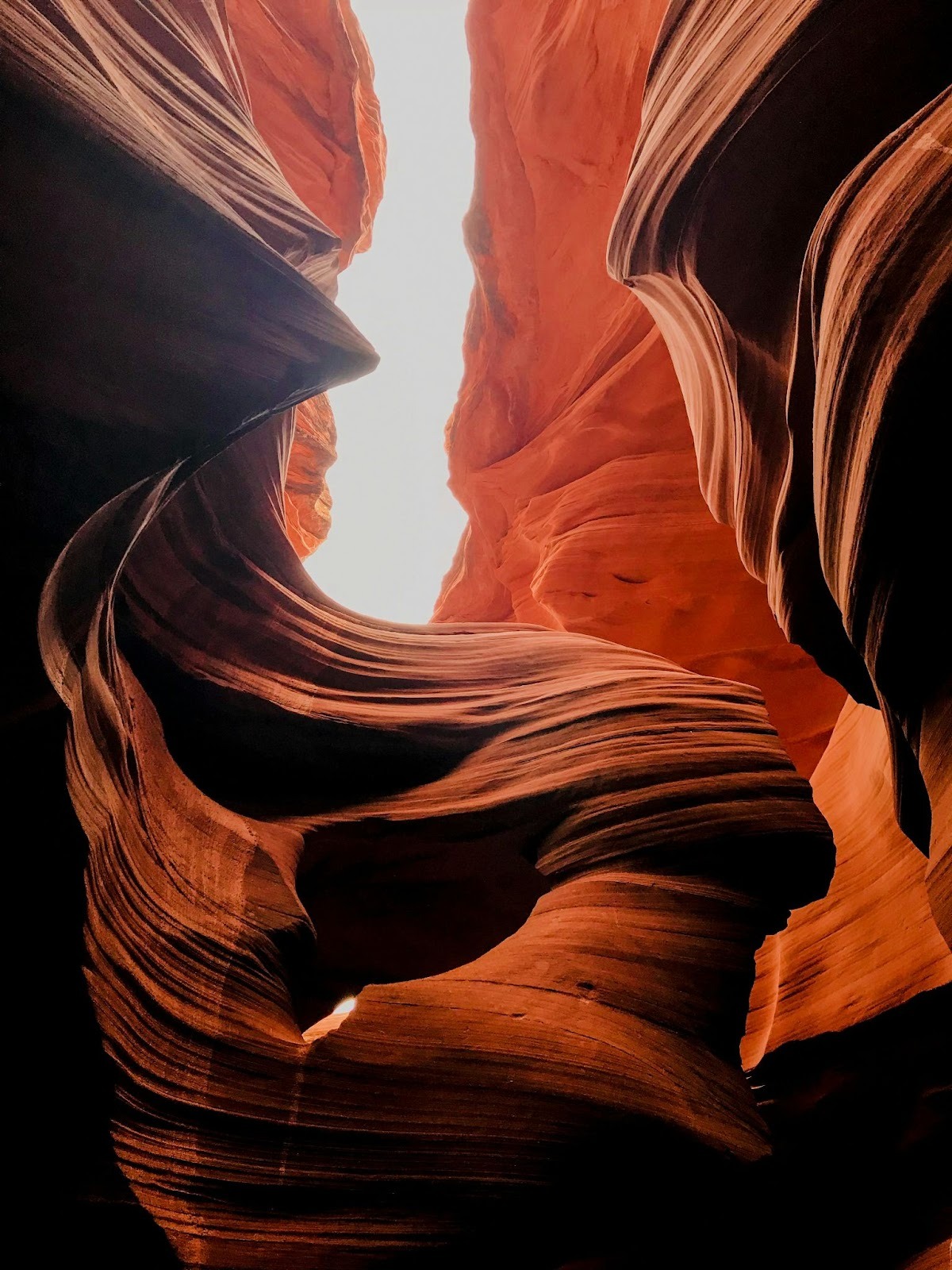
Capturing the Flow of the Canyon
One of the most captivating features of Antelope Canyon is the way the rock appears to move.
Flash floods carved the sandstone into graceful curves that resemble wind-blown fabric or waves frozen in time.
When spring light moves across these formations, it enhances that sense of motion.
Photographers often search for moments where:
– light follows the curve of the canyon wall
– color fades gently into shadow
– natural lines guide the viewer deeper into the image
These are the moments that turn a photograph into visual storytelling.
Through his work, Lionel Bigthumb captures these fleeting interactions between light and stone—moments when the canyon reveals its sacred balance of shadow, color, and form.
Flash floods carved the sandstone into graceful curves that resemble wind-blown fabric or waves frozen in time.
When spring light moves across these formations, it enhances that sense of motion.
Photographers often search for moments where:
– light follows the curve of the canyon wall
– color fades gently into shadow
– natural lines guide the viewer deeper into the image
These are the moments that turn a photograph into visual storytelling.
Through his work, Lionel Bigthumb captures these fleeting interactions between light and stone—moments when the canyon reveals its sacred balance of shadow, color, and form.
Seeing the Canyon Through Lionel Bigthumb’s Lens
The beauty of Antelope Canyon is constantly changing. Light shifts minute by minute, revealing new shapes and colors as it travels through the canyon walls.
For photographers who return often, each visit offers something different.
Lionel Bigthumb’s photography reflects years of observing this relationship between light, land, and Navajo heritage. His work focuses on the quiet moments when canyon light transforms the sandstone into something almost otherworldly.
Beginning April 1st, visitors to the Mayo Clinic will also experience this connection through a full gallery installation of Lionel Bigthumb Visuals, where the canyon’s luminous forms and colors will be displayed in a setting dedicated to healing and reflection.
Through premium dye-sublimated metal prints, these images preserve the canyon’s depth, texture, and vibrant color in a way that reflects the power of the landscape itself.
Each photograph becomes a story of light, earth, and time.
For photographers who return often, each visit offers something different.
Lionel Bigthumb’s photography reflects years of observing this relationship between light, land, and Navajo heritage. His work focuses on the quiet moments when canyon light transforms the sandstone into something almost otherworldly.
Beginning April 1st, visitors to the Mayo Clinic will also experience this connection through a full gallery installation of Lionel Bigthumb Visuals, where the canyon’s luminous forms and colors will be displayed in a setting dedicated to healing and reflection.
Through premium dye-sublimated metal prints, these images preserve the canyon’s depth, texture, and vibrant color in a way that reflects the power of the landscape itself.
Each photograph becomes a story of light, earth, and time.
Bringing the Canyon’s Sacred Light Home
Not every visitor walks through Antelope Canyon with a camera in hand. Many simply stand quietly beneath the sandstone walls, watching the light shift across the stone.
That experience—watching the canyon glow with vibrant color—is something people often carry with them long after they leave the Southwest.
Many travelers who experience this beauty later search for ways to remember it, whether they are researching Antelope Canyon in April, wondering about the best time to visit Antelope Canyon, or hoping to see the famous Antelope Canyon light beams again.
Through fine art photography, those moments can live on.
Lionel Bigthumb’s work allows viewers to bring the canyon’s sacred light and timeless beauty into their own homes—preserving the feeling of standing inside one of nature’s most remarkable landscapes.
And now, through the upcoming Mayo Clinic gallery installation, that same sense of wonder and serenity will also reach visitors in a place where art, nature, and healing intersect.
Discover the vibrant light, flowing sandstone, and Navajo heritage that inspire every image.
That experience—watching the canyon glow with vibrant color—is something people often carry with them long after they leave the Southwest.
Many travelers who experience this beauty later search for ways to remember it, whether they are researching Antelope Canyon in April, wondering about the best time to visit Antelope Canyon, or hoping to see the famous Antelope Canyon light beams again.
Through fine art photography, those moments can live on.
Lionel Bigthumb’s work allows viewers to bring the canyon’s sacred light and timeless beauty into their own homes—preserving the feeling of standing inside one of nature’s most remarkable landscapes.
And now, through the upcoming Mayo Clinic gallery installation, that same sense of wonder and serenity will also reach visitors in a place where art, nature, and healing intersect.
Discover the vibrant light, flowing sandstone, and Navajo heritage that inspire every image.