

Collecting the Canyon: How to Choose Fine Art Photography That Lasts a Lifetime
That distinction becomes especially important when choosing fine art landscape photography of places as visually and culturally significant as Sedona and Northern Arizona. The red rock formations, deep canyon systems, high-desert terrain, and shifting Southwestern light can produce extraordinary images, but an unforgettable subject alone does not necessarily make a photograph collector-worthy.
For buyers searching for a piece meant to remain part of their home for decades, the questions go beyond, “Do I like this image?” Materials, craftsmanship, provenance, edition details, presentation, sizing, and the photographer’s connection to the landscape can all influence whether a print feels temporary or timeless.
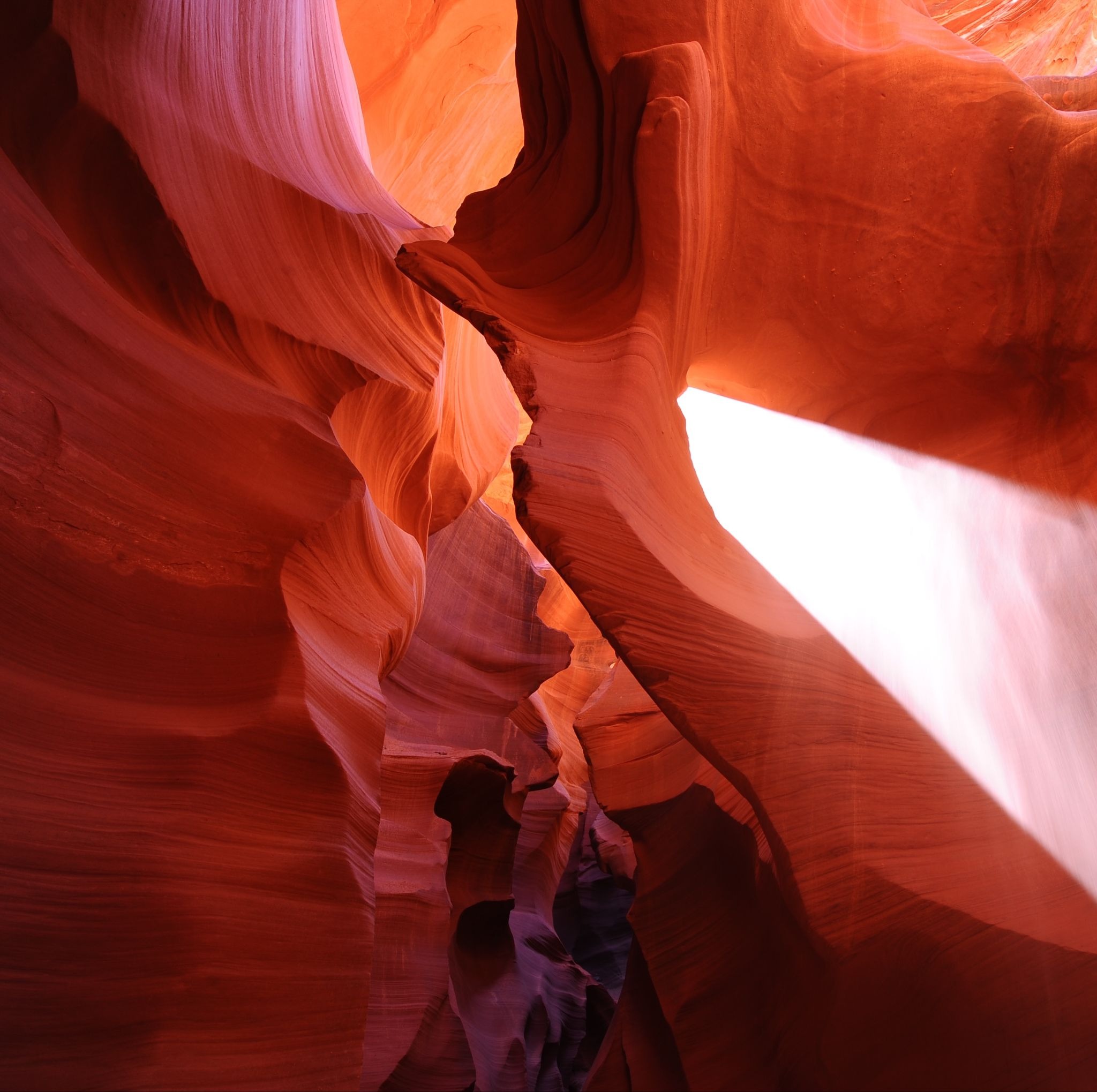
What Makes Fine Art Landscape Photography Collectible?
A seasoned collector often begins with the artistic qualities of the image itself: composition, perspective, timing, use of light, originality, and the photographer’s ability to communicate something about the landscape beyond its obvious beauty.
A photograph of Sedona, for example, may initially captivate because of brilliant red sandstone. Look longer, however, and a stronger image might reveal relationships between ridgelines, shadows, canyon walls, desert vegetation, and distant horizons.
Perspective can make an enormous difference. From the air, familiar landmarks become part of a larger geological composition. Sedona Air Tours currently offers aerial views encompassing Sedona’s red rocks, the Verde Valley, and other Northern Arizona landscapes, allowing travelers to see relationships among formations that are much harder to perceive from ground level.
The strongest Sedona fine art photography often has that same quality. It invites the viewer to continue exploring the scene instead of revealing everything at first glance.
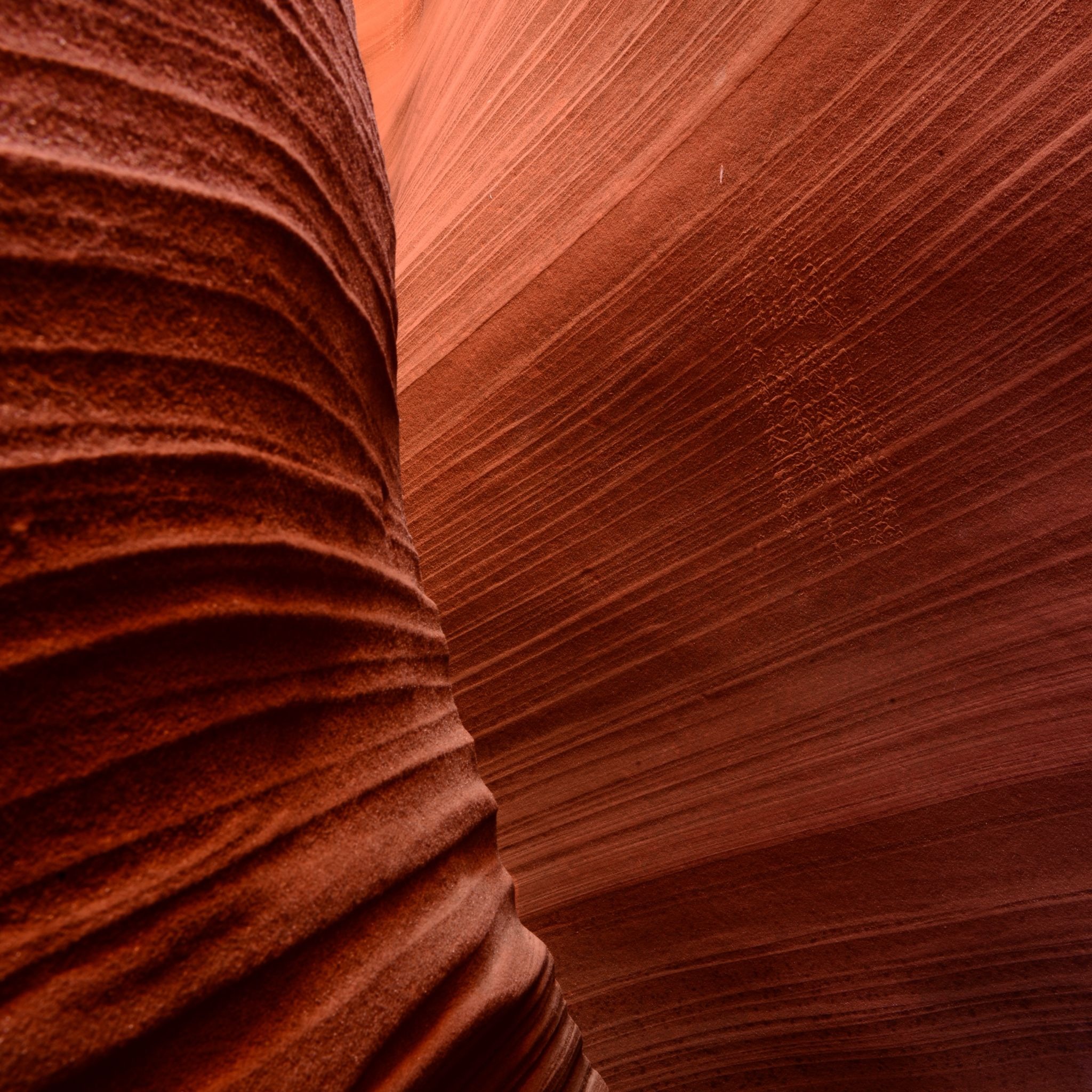
Look Beyond the Image: Examine the Print Itself
Print Medium and Production Quality
Before purchasing a large-format landscape photograph, ask how it is produced. Printing method, substrate, surface coating, color management, mounting system, and finishing can all affect how the final artwork looks in a room.
Metal has become an especially compelling medium for dramatic landscape photography because it can emphasize detail, color, and dimensionality while maintaining a clean contemporary appearance.
For example, ChromaLuxe metal print technology uses dye sublimation to infuse an image into a specially coated metal surface. The manufacturer describes its panels as offering high image clarity, color vibrancy, durability, and fade resistance.
That does not mean every metal print should automatically be considered “museum-quality.” Buyers should still investigate who produced the piece, which materials and processes were used, and what documentation accompanies it.
Gloss, Matte, or Somewhere Between?
Finish is more than an aesthetic preference.
Gloss surfaces can create striking depth and saturated color, making red rock landscapes and dramatic skies especially vivid. Matte surfaces generally control reflections more effectively and may be better suited to spaces with significant natural light.
ChromaLuxe, for example, currently lists gloss, semi-gloss, and matte options across white and clear metal surfaces, illustrating how significantly finish can influence presentation.
Think about the room before choosing the surface. A highly reflective print opposite a wall of windows can behave very differently from the same image displayed under controlled gallery-style lighting.
Edition Size, Provenance, and Documentation Matter
Is it an open edition or a limited edition? If limited, how many prints will exist? Is your piece numbered? Is it signed? Is there a certificate of authenticity? Are the title, photographer, dimensions, production method, and date documented?
These details do not guarantee that artwork will increase in financial value, nor should a limited edition automatically be treated as an investment. They do, however, help establish exactly what you own.
In the broader art world, provenance, or the documented history of an object, is an important part of understanding authenticity, ownership, and significance. The Smithsonian Provenance Research Initiative demonstrates how seriously museums treat ownership and object histories.
For a private collector, good documentation is simply good practice.
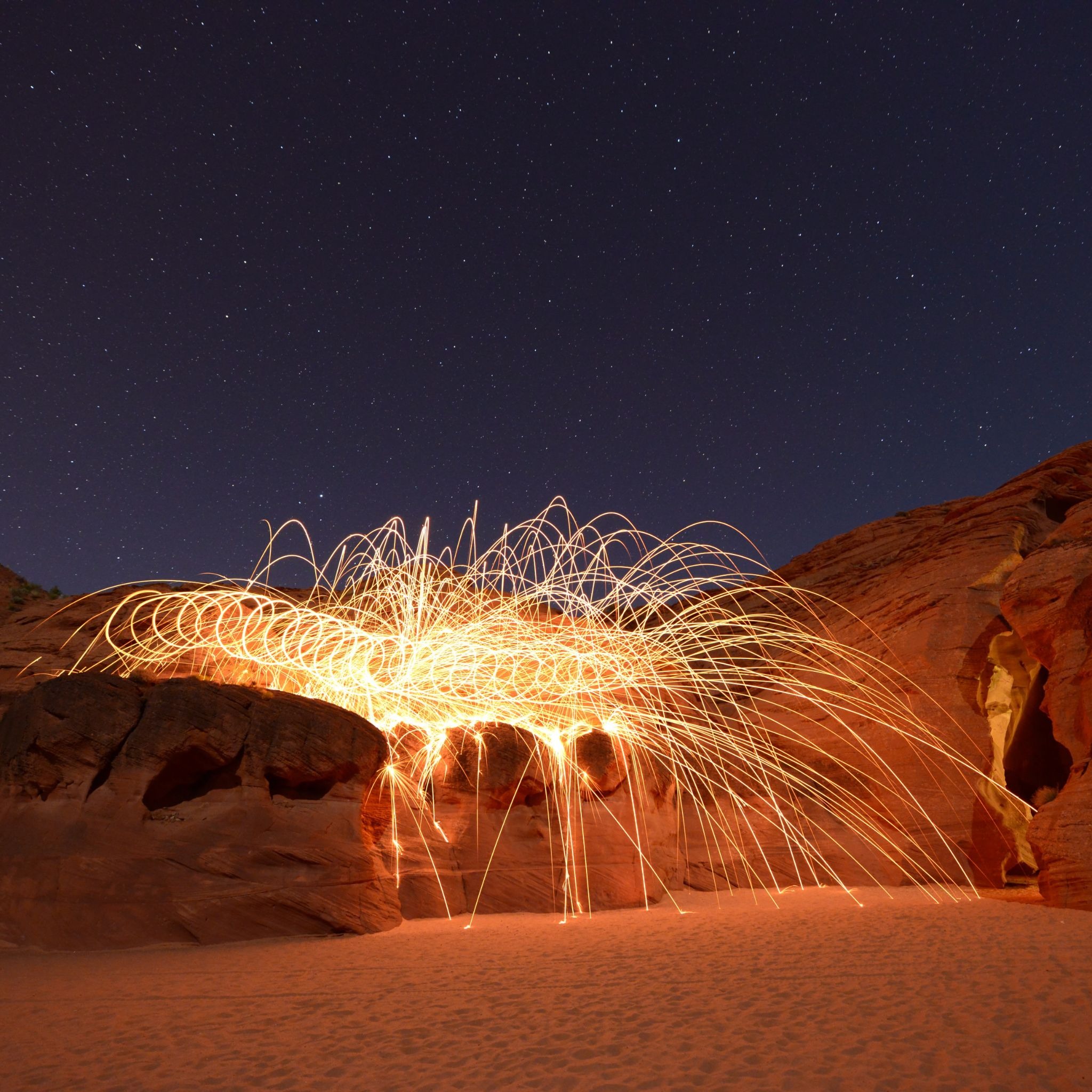
Choose a Photograph You Will Still Want to See Years From Now
Give yourself time with an image before buying it. Where does your eye travel? Does the photograph have layers? Does the lighting create an atmosphere? Is there a detail that keeps pulling you back?
Most importantly, does the place mean something to you?
For travelers, a landscape photograph can become inseparable from a memory: an anniversary in Sedona, a first trip to the Grand Canyon, an unforgettable family vacation, or a moment when the vastness of Arizona suddenly became tangible.
This is one reason experiencing a landscape firsthand can change the way you respond to photographs of it.
The Canyons and Cliffs Airplane Tour, for example, moves across the Verde Valley, Sycamore Canyon, and numerous Sedona formations before providing aerial views of landmarks including Cathedral Rock, Bell Rock, and Courthouse Butte. Seeing those formations in relationship to the surrounding terrain can create an entirely different visual memory than viewing one landmark in isolation.
Scale Is Part of the Artwork
Large landscape photography prints can create an immersive experience. Canyon walls suddenly feel monumental. Fine geological textures become visible. Distant ridges become compositional elements instead of background details.
But bigger is not automatically better.
Consider:
– Wall width and ceiling height
– Viewing distance
– Nearby furniture
– Natural and artificial lighting
– Negative space around the artwork
– Whether the piece should dominate the room or complement an existing collection
Before purchasing an oversized print, map its dimensions on the wall with painter’s tape or a paper template. What sounds enormous when described in inches can feel surprisingly appropriate on a large wall, while what seems modest online can overwhelm a smaller space.
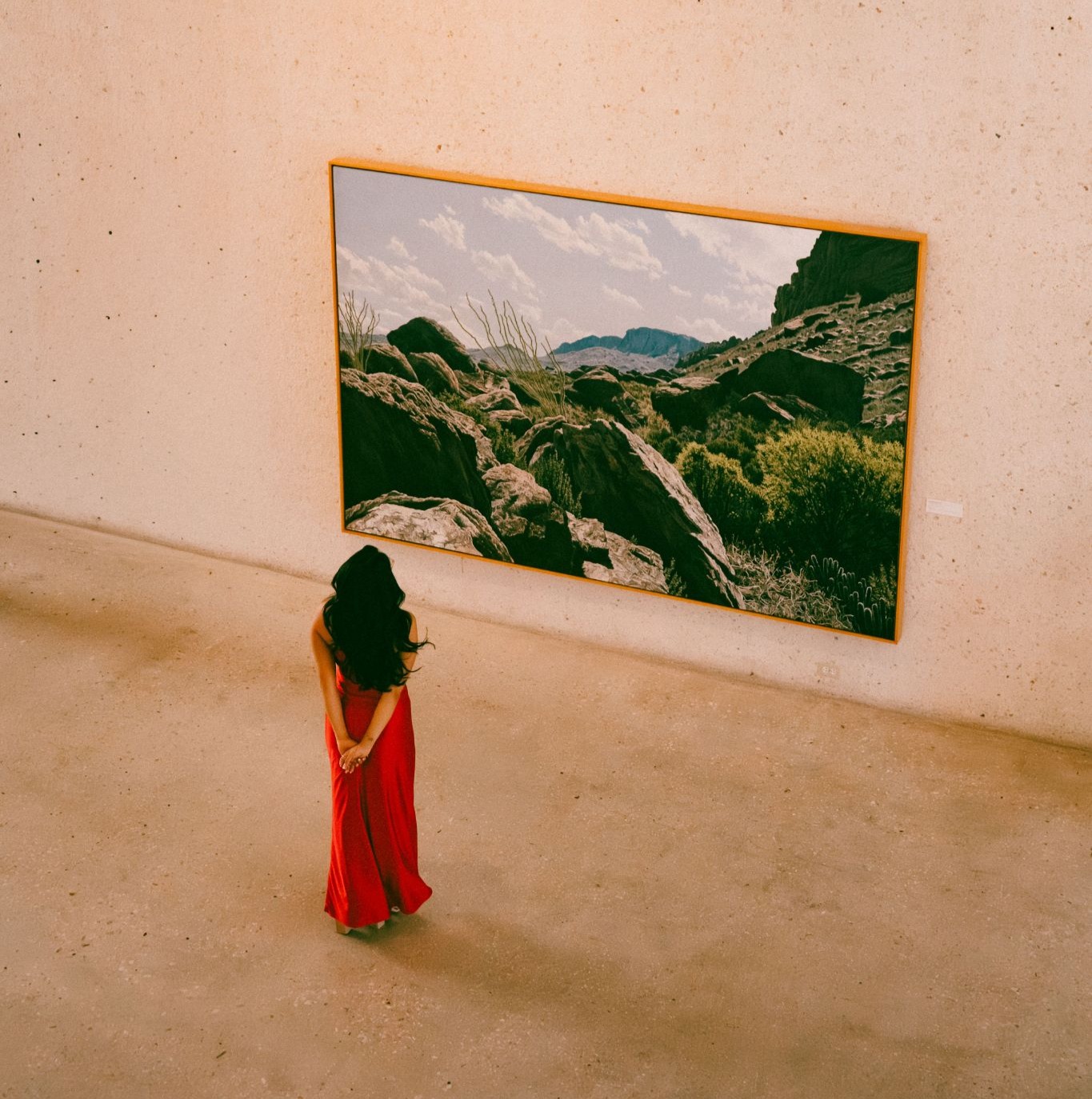
Consider Where the Artwork Will Live
Light, humidity, temperature, pollutants, and handling can affect photographic materials. The Library of Congress photograph preservation guidance recommends limiting light exposure and maintaining a relatively dry, cool, stable environment for traditional photographic materials.
Photographic conservation resources also identify light, air quality, temperature, and relative humidity as factors affecting displayed photographs.
Different print technologies have different requirements, however. A contemporary aluminum dye-sublimation print is not identical to a traditional paper photograph. Follow the care instructions supplied by the artist, gallery, or manufacturer rather than assuming one preservation rule applies universally.
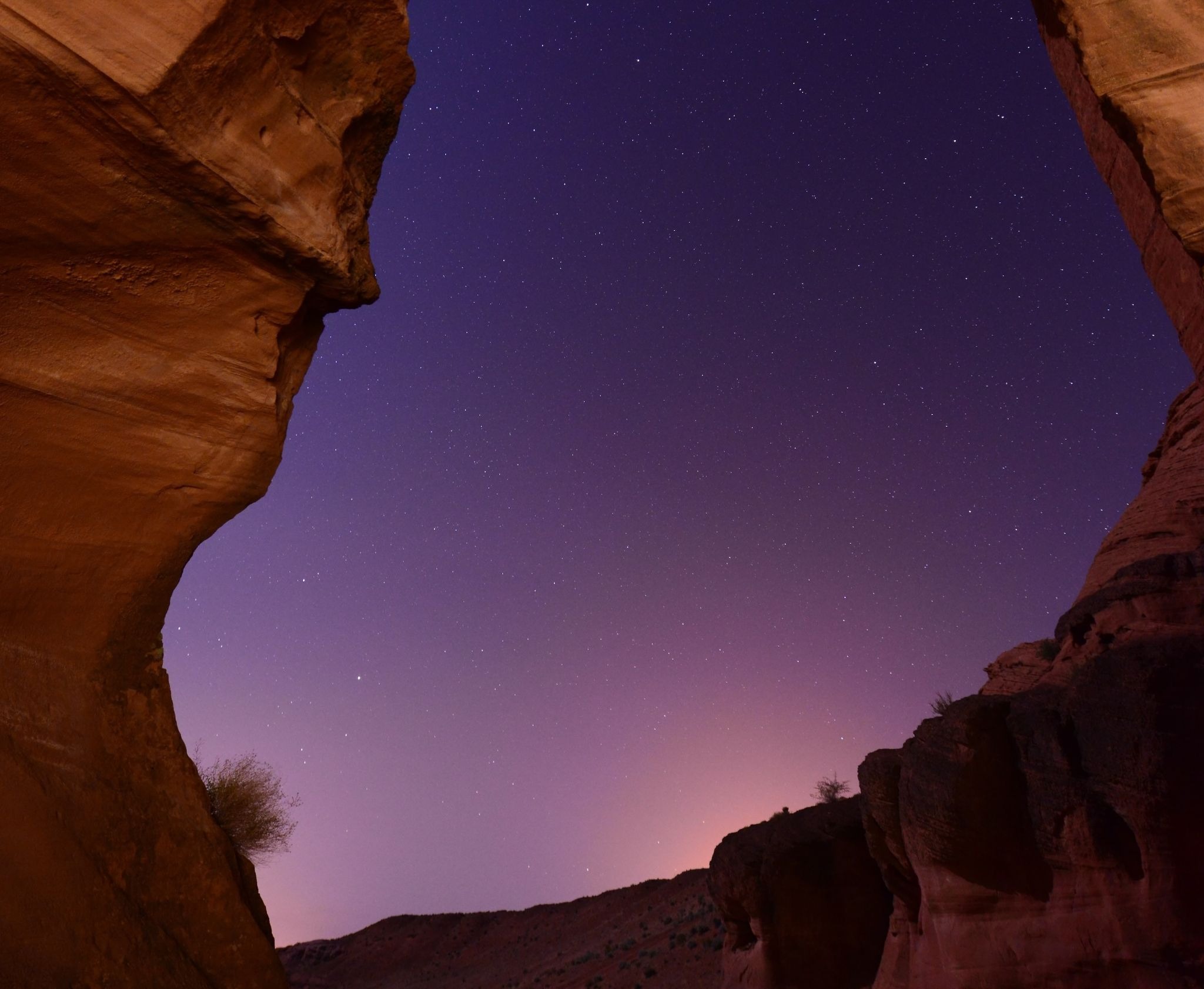
Why Place Matters in Landscape Photography
It can communicate scale, geology, weather, stillness, history, and a photographer’s relationship with the environment. In Northern Arizona, that relationship deserves particular respect. These are not simply dramatic backgrounds. Many landscapes carry deep cultural significance and living connections for Indigenous communities.
Collecting photography inspired by these places should therefore be rooted in appreciation rather than possession. The artwork may belong to the collector, but the landscape itself does not.
That perspective can make a photograph more meaningful, not less.
See the Landscape From a Different Perspective
From above, geography begins to read almost like abstract art. Canyons form lines through the terrain. Sandstone changes color as light moves across it. Forest gives way to high desert. Massive landmarks that seem isolated from the road suddenly reveal their relationship to entire systems of cliffs, valleys, mountains, and waterways.
The Spirit of Sedona Air Tour travels above the Verde Valley and Sycamore Canyon before passing formations including Loy Butte, Red Canyon, Bear Mountain, and Boynton Canyon.
Longer journeys expand that visual vocabulary even further. Sedona Air Tours’ Grand Canyon AirXperience currently travels past the Red Rocks of Sedona, Oak Creek Canyon, the Mogollon Rim, Humphreys Peak, and the San Francisco Peaks en route to the Grand Canyon.
Its Three Canyon Airplane Tour extends the perspective toward Horseshoe Bend, Glen Canyon, Lake Powell, and the slot-canyon landscapes near Page.
For photographers and collectors alike, seeing landscapes at that scale can permanently change the way their shapes, colors, and compositions are understood.
Collect the Memory, Not Just the View
Technical quality matters. So do materials, provenance, edition information, scale, and proper care. But the photograph that lasts a lifetime is often the one that carries a story every time you see it.
Maybe it recalls the first time you saw Sedona’s red rocks illuminated in the evening. Maybe it brings back the impossible scale of a canyon. Maybe it reminds you of someone who shared the journey with you.
And sometimes the best way to understand which landscape deserves a place on your wall is to experience it from an entirely new perspective.
Explore Sedona Air Tours and discover Northern Arizona from above, where canyon walls, red rock formations, forests, valleys, and distant horizons become one unforgettable composition.