
Chasing the Beam: Antelope Canyon Light Beams and Photography in Upper Antelope Canyon
Inside the fleeting moments when sacred shafts of light transform sandstone into living sculpture
In April, Antelope Canyon reveals itself slowly.
Soft light moves through the sandstone, illuminating the canyon with warmth, color, and balance. It’s a season where photographers can study texture and form in a more even, diffused environment.
In May, the canyon’s light takes on a stronger, more defined presence.
Antelope Canyon light beams begin to appear with greater clarity and intensity, transforming the canyon into a place of contrast and precision. For those returning after an earlier visit, or planning their first experience, this marks a defining moment in Antelope Canyon photography.
The Rise of the Beam in Upper Antelope Canyon
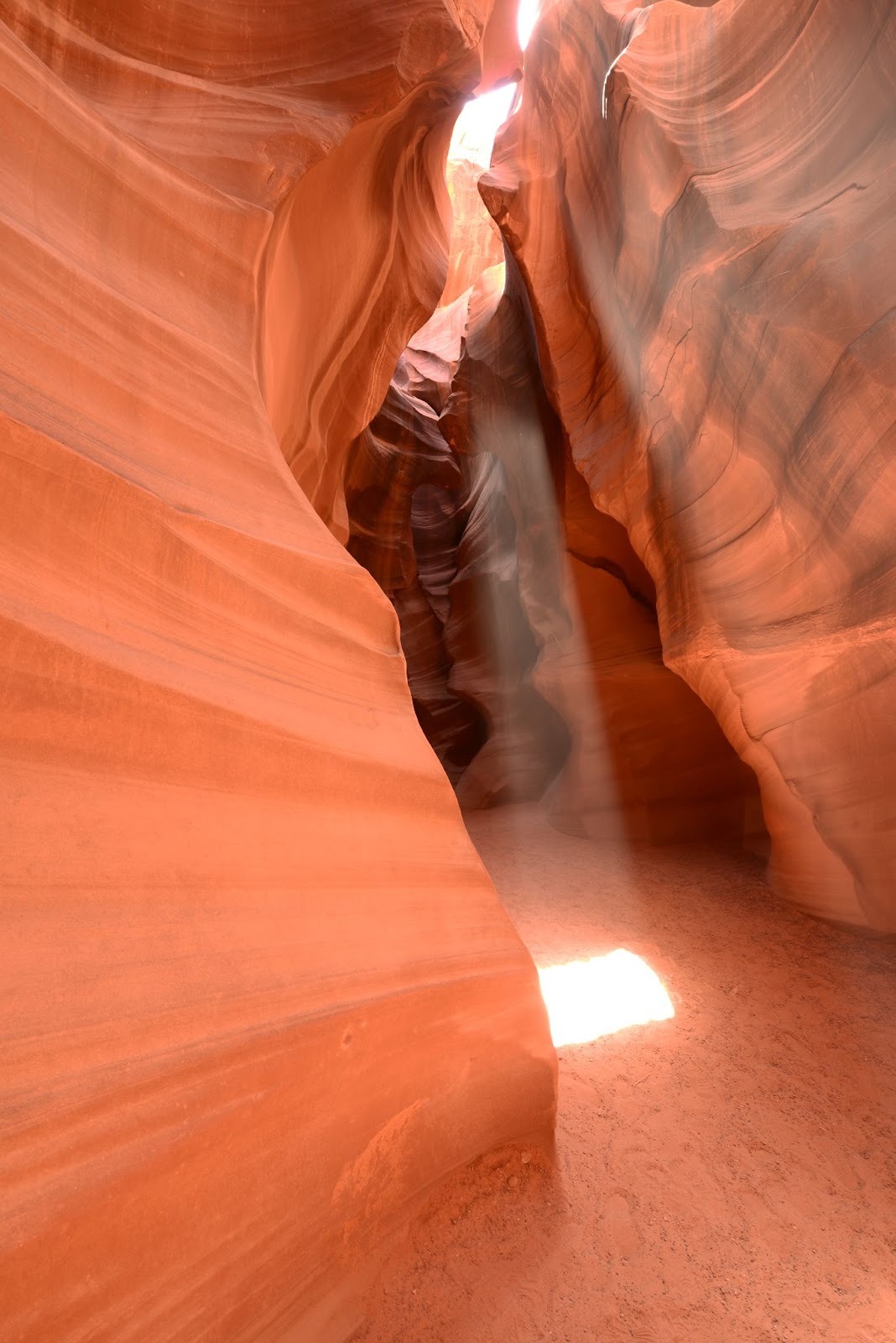
The most iconic beams are most commonly seen in Upper Antelope Canyon, where narrow openings above allow sunlight to pass through in concentrated shafts.
Unlike softer seasonal light, these beams are directional and fleeting. They form when the sun aligns directly overhead, sending visible columns of light down to the canyon floor.
These moments are:
– Short-lived and dependent on exact timing
– Strongest when the sun is highest in the sky
– Visually striking against the darker canyon walls
For many visitors, the best time to visit Antelope Canyon comes down to timing within the day. The most consistent Antelope Canyon light beams appear between late morning and early afternoon, when sunlight can fully enter the canyon from above.
This is what defines the experience. The canyon becomes less about ambient glow and more about precision light.
How to Photograph Antelope Canyon Light Beams
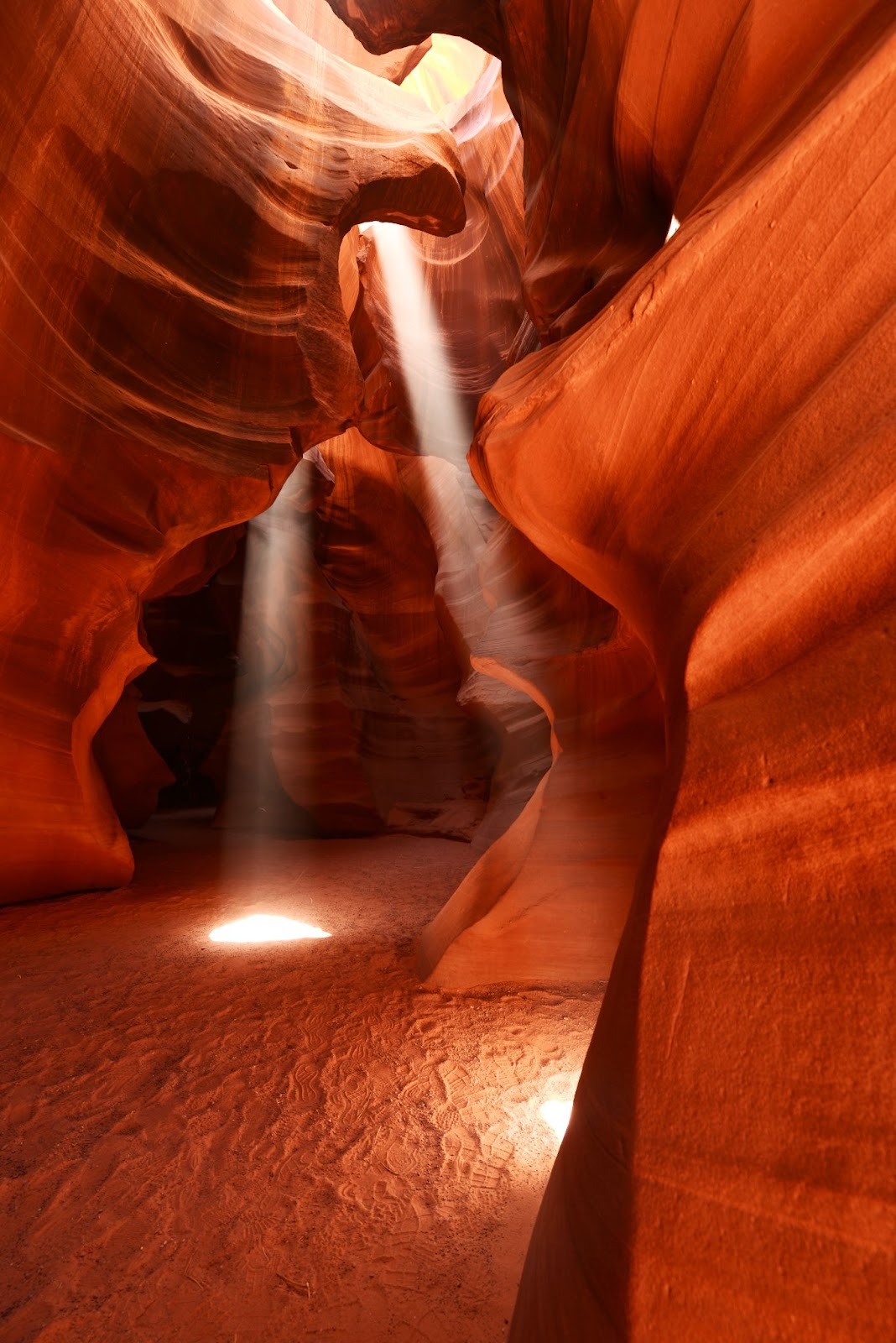
Capturing Antelope Canyon light beams comes down to timing, positioning, and a few key adjustments that make a noticeable difference in your final image.
1. Preserve Detail in the Highlights
The beam carries the brightest values in the frame, and it’s easy to lose its structure if the exposure runs too hot.
Dial your exposure slightly down to retain texture within the light itself. This keeps the beam defined rather than washed out, while still allowing the canyon’s shadows to hold depth and shape.
2. Use a Mid-Range Aperture for Clarity
Aperture plays a big role in how defined the beam appears.
Shooting around f/8 to f/11 helps give the beam structure and keeps both the light and surrounding textures sharp. Wider apertures can make the beam feel softer and less defined.
3. Watch the Sand, Not Just the Light
The beam becomes visible when fine dust particles catch the light.
Guides often toss sand into the air to enhance this effect. Be ready in those moments, as the beam will appear strongest for only a few seconds before settling.
4. Let the Canyon Shape the Composition
The strongest images don’t just capture the beam, they show how it interacts with the canyon.
Look for moments where the light:
– touches the canyon floor
– follows a curve in the sandstone
– highlights texture and depth
Positioning yourself with intention can turn a simple beam into a more dynamic, story-driven image.
From Light to Legacy: Lionel Bigthumb and the Value of the Moment
These moments are fleeting. They can appear and vanish within seconds, often missed entirely or experienced without the ability to preserve them.
Through Lionel Bigthumb Visuals, those moments are captured with precision and intention, then preserved as fine art.
His work allows you to experience:
– The intensity of Antelope Canyon light beams
– The defining beauty of Upper Antelope Canyon photography
– The stillness and presence found within the canyon
For those who want to hold onto that experience, these images offer more than a memory. They offer a lasting connection.
Explore available fine art prints here:
Each piece brings the canyon’s light into your space, timeless, grounded, and alive.
Lionel Bigthumb’s work is rooted in a deep connection to Navajo land, heritage, and the sacred light of Upper Antelope Canyon.
Over years of returning to the canyon, he has developed an intuitive understanding of how light moves through the sandstone, how it forms, shifts, and disappears within moments. His approach is not about chasing the light, but being prepared for it.
Each image reflects:
– A relationship with the land
– A respect for timing and natural rhythm
– A commitment to capturing light as it truly appears
Learn more about the artist and his story:
Experiencing Antelope Canyon Light Beams for Yourself
For travelers and creators alike, witnessing Antelope Canyon light beams in person is unforgettable.
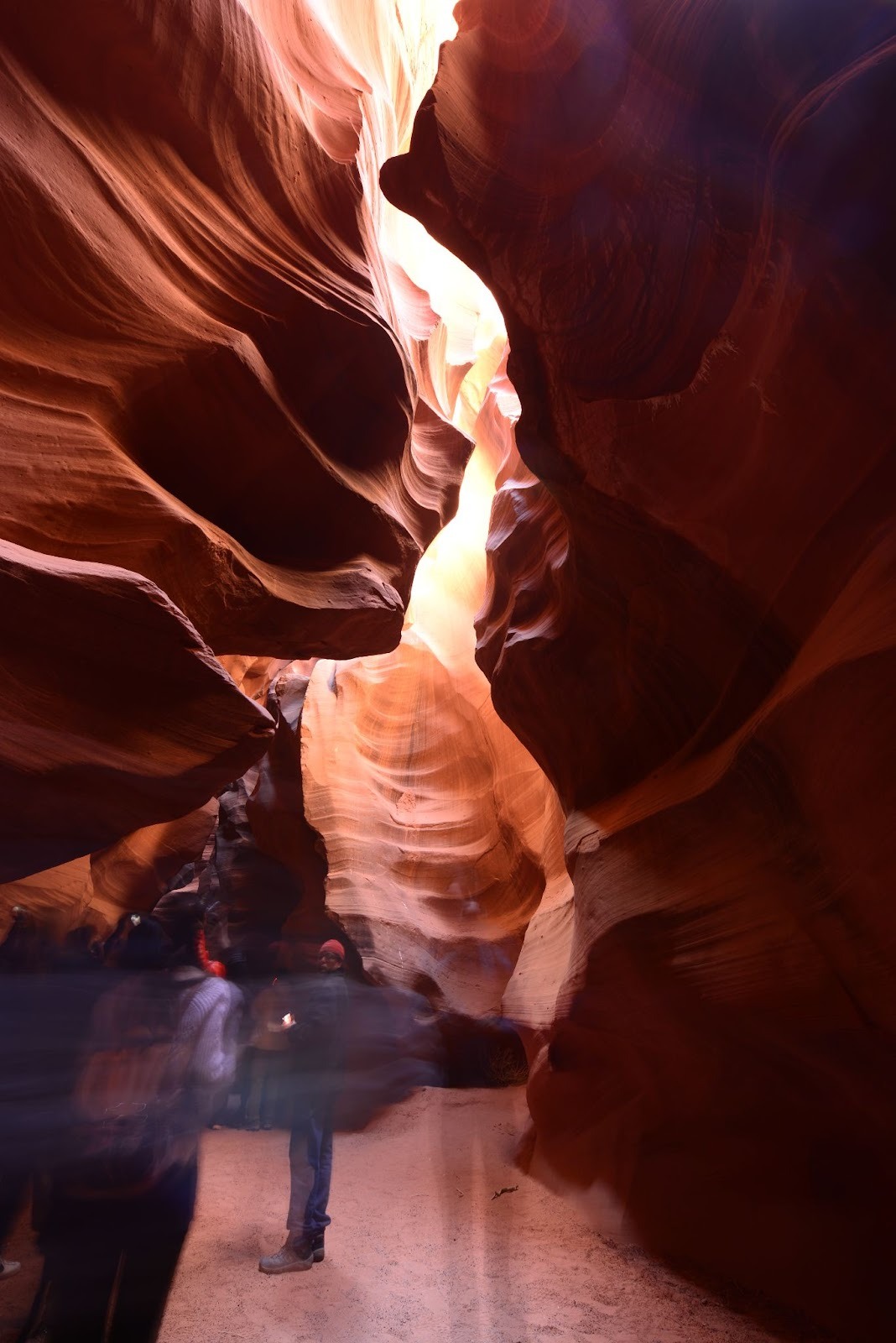
Visitors exploring Antelope Canyon in May and beyond often seek out the iconic midday light, when beams are most visible and defined. Because access is limited, guided tours are required and tend to book quickly during peak periods.
To plan your visit and explore available tours:
Whether you are capturing content or simply experiencing the canyon firsthand, understanding the timing of light can completely shape your experience.
April introduces the canyon with softness and depth.
As the season progresses, the canyon reveals a more defined and powerful expression of light.
The shift from ambient illumination to focused beams is what transforms Antelope Canyon photography into something iconic. It is no longer just about observing light, but about witnessing it at the exact moment it arrives.
And while those moments are brief within the canyon, their presence can extend far beyond it.
This season, Lionel Bigthumb Visuals is featured in a full gallery installation at the Mayo Clinic, where these iconic beams bring stillness, reflection, and a sense of connection into spaces dedicated to healing.
In that setting, the light takes on a new purpose.
Not just something to see, but something to feel.
Experience it in person, or encounter it wherever that light continues to live on.