
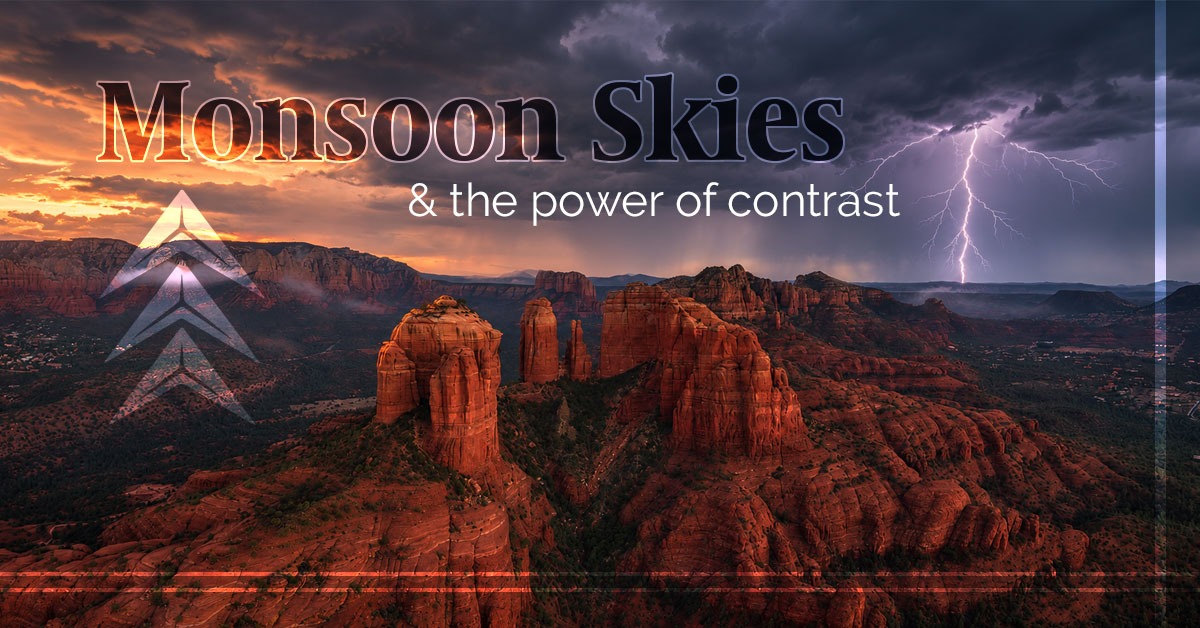
When the Desert Roars: Monsoon Skies and the Power of Contrast
Northern Arizona monsoon photography reveals a side of the desert that clear skies alone cannot show. During late summer, towering clouds gather above the mesas, distant rain softens the horizon, and sudden breaks of sunlight illuminate the land with extraordinary intensity.
These rapidly changing conditions transform familiar landscapes into scenes filled with movement, contrast, and emotion. Warm sandstone appears even more vibrant beneath a blue-gray sky. Shadows deepen across canyon walls. Light reaches through the clouds for only a few moments before the scene changes again.
For Lionel Bigthumb, photography is about recognizing these fleeting moments and preserving the relationship between light, land, and spirit. Rooted in Navajo heritage and a lifelong connection to the landscapes surrounding Page, Arizona, his work invites viewers to experience the desert as a living place shaped by weather, time, memory, and Mother Earth.
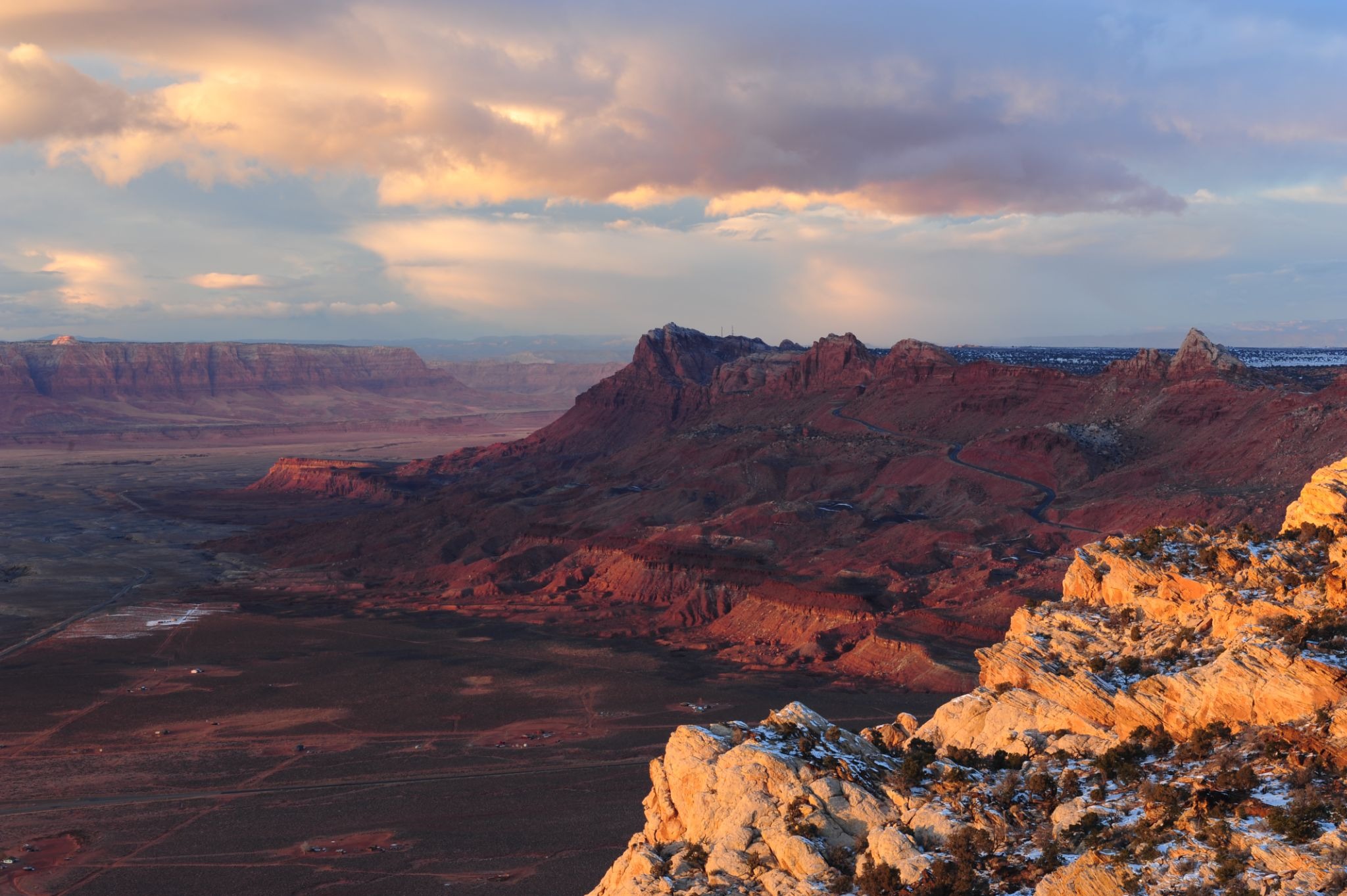
Northern Arizona Monsoon Photography Reveals a Different Desert
The word “monsoon” is often used to describe a powerful summer storm, but the term refers to a much larger seasonal weather pattern. A monsoon is a shift in regional winds that transports moisture into an otherwise dry environment.
The official Northern Arizona monsoon season runs from June 15 through September 30. In Northern Arizona, monsoonal moisture commonly arrives during the first part of July, creating periods of afternoon and evening thunderstorms throughout the summer. The rainfall is not continuous, but the seasonal pattern can bring dramatic cloud development, lightning, rain curtains, and rapidly changing light.
By August, the visual character of the landscape can feel entirely different from the bright stillness associated with early summer. Clouds build vertically above the horizon. Cool tones enter the sky. Rain falls across distant mesas while nearby stone remains illuminated by warm sunlight.
For a photographer, these conditions offer more than dramatic weather. They reveal new relationships between the landscape and the sky.
More Than a Single Storm
The unpredictability is part of the visual power.
A photographer cannot simply recreate the same scene the following day. The clouds will form differently. The direction of the sunlight will change. Moisture in the air may soften distant landforms or deepen the color of the desert floor.
Northern Arizona monsoon photography depends on patience, awareness, and respect for conditions that cannot be controlled.
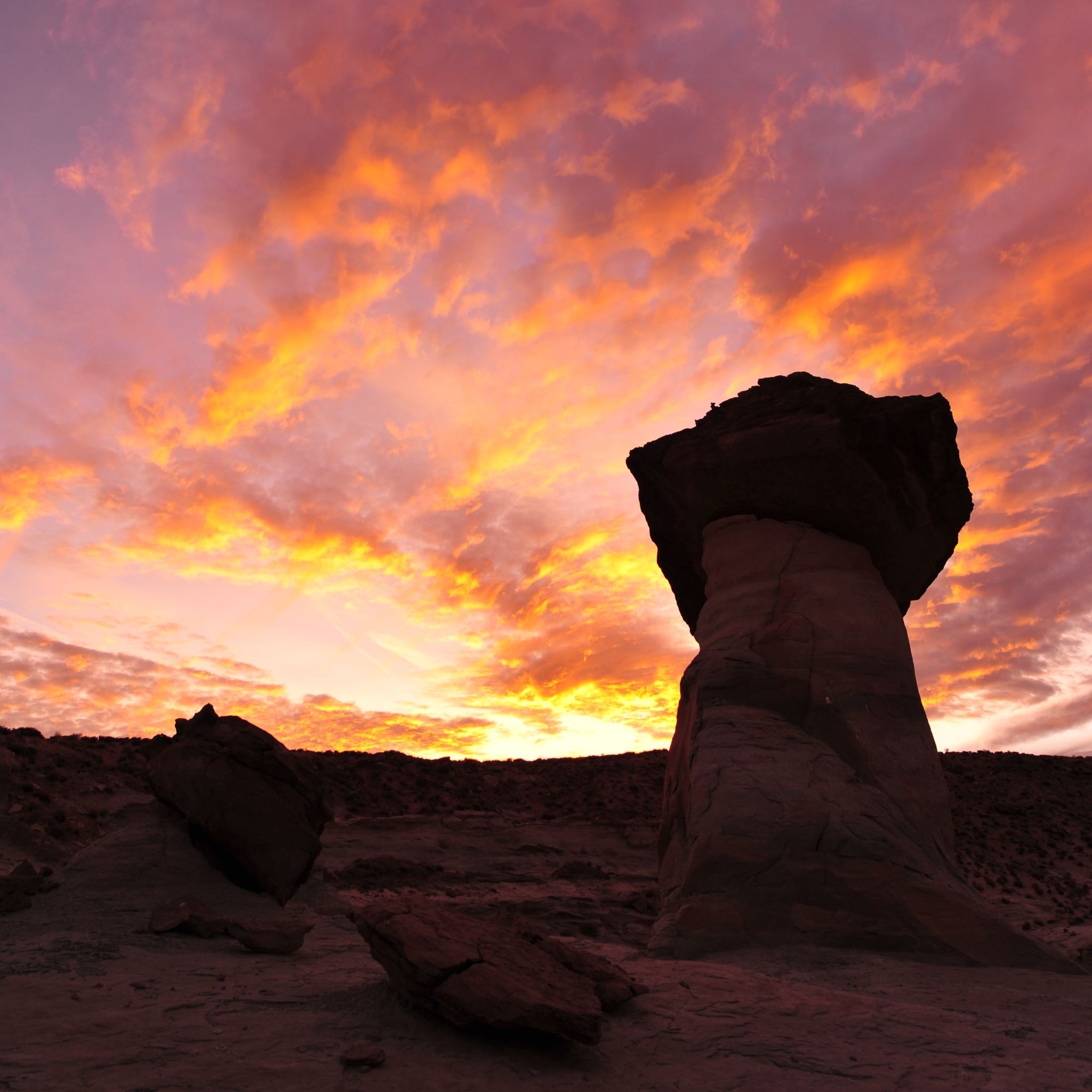
When Light Meets a Changing Sky
When sunlight breaks through an opening in the clouds, it may illuminate only one section of the land. A sandstone wall, mesa, or distant formation can appear almost radiant while everything around it remains in shadow.
These moments create a visual tension between brightness and darkness. They also bring together colors that are less apparent beneath a cloudless sky:
– Golden and red sandstone against deep blue clouds
– Violet shadows beneath warm sunlight
– Silvery rain curtains across distant mesas
– Bright desert earth beneath a dark horizon
– Soft atmospheric haze surrounding sharply defined formations
The desert is not losing its familiar character during these moments. It is revealing another dimension of it.
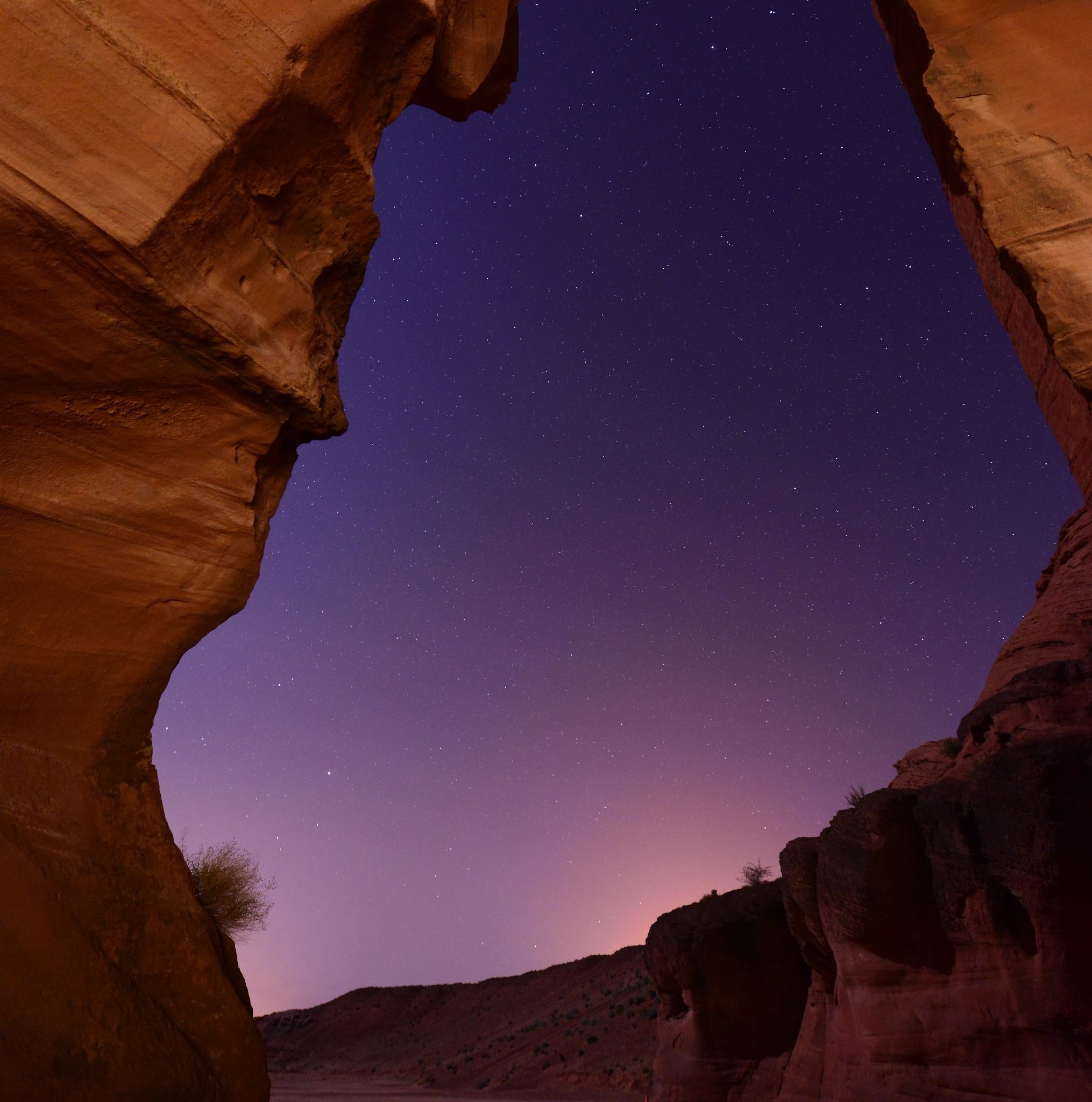
The Emotional Power of Contrast
Bright light against darkness can suggest hope, strength, or revelation. A distant storm may create a sense of movement and anticipation. A quiet formation beneath enormous clouds can communicate stillness and endurance.
This is why dramatic skies are more than a decorative background. They become part of the story.
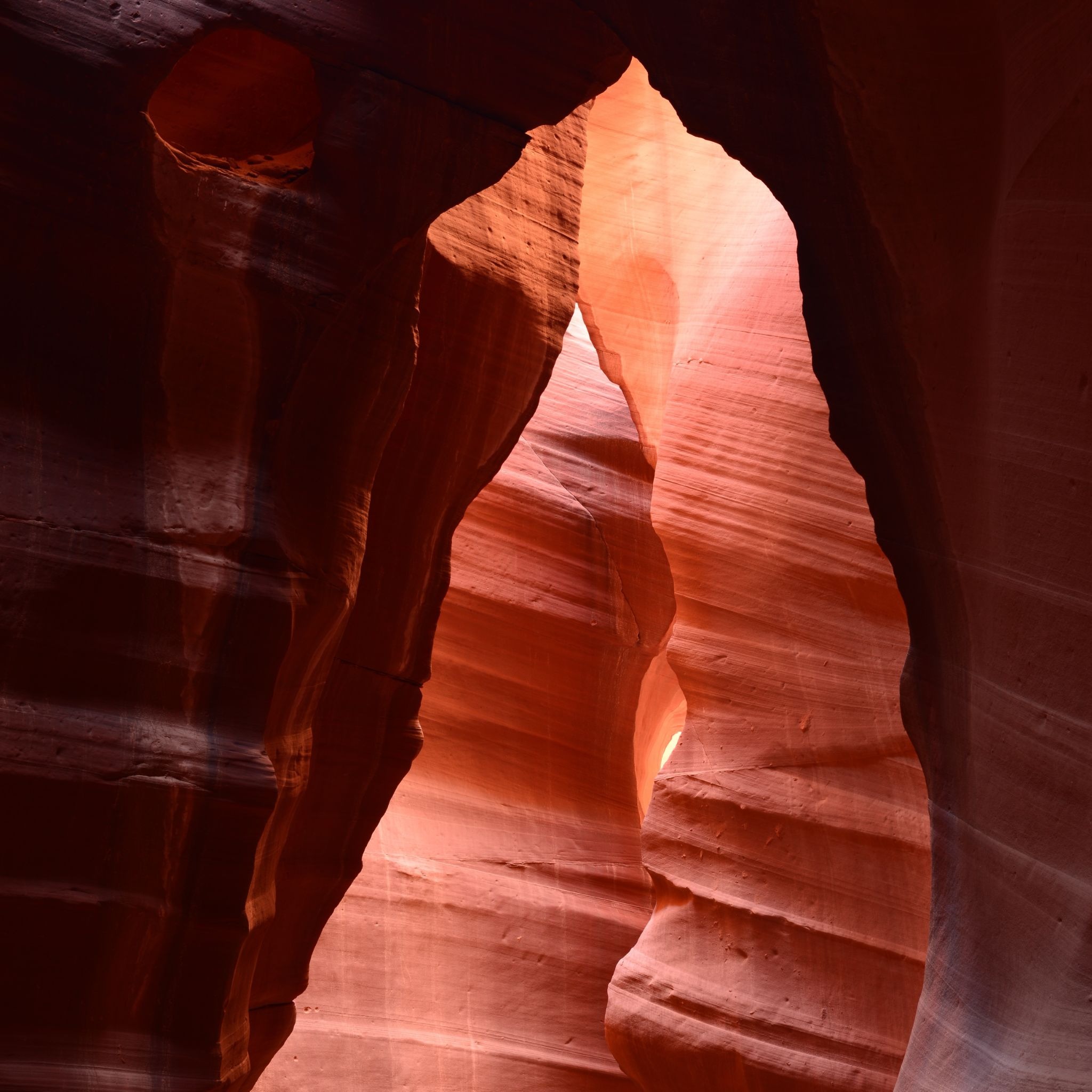
Lionel’s photography is grounded in observing how natural light moves through the landscape. His stories behind the canyon photography explore the relationship between heritage, artistic inspiration, cultural understanding, and the shifting light of Antelope Canyon and the surrounding Navajo lands.
In a powerful landscape photograph, the sky and land do not compete with one another. They work together to express a single moment.
Capturing Moments That Cannot Be Repeated
The photographer watches the horizon, studies the clouds, and notices where light may emerge. The scene can change in seconds. A beam of sunlight moves across the earth. A wall of rain becomes visible in the distance. A shadow passes over a formation that had been glowing moments earlier.
This requires attention rather than control.
The resulting photograph is valuable not simply because the weather looks dramatic, but because the combination of atmosphere, color, light, and land may never appear in exactly the same way again.
That rarity gives monsoon imagery a natural sense of urgency. The moment is temporary, but the photograph allows it to remain.
Collectors drawn to fine art landscape photography often respond to this quality. They are not only choosing an image of a place. They are choosing a singular expression of that place, captured during a brief convergence of weather and light.
A Navajo Perspective Rooted in the Land
The land surrounding Antelope Canyon is not an abstract setting. It carries history, culture, family connections, and meaning. Lionel’s photographs reflect an understanding developed through years of observing the canyon walls, changing seasons, desert skies, and patterns of light.
This perspective gives the work authenticity.
The mission of Navajo Nation Parks and Recreation emphasizes the long-term stewardship of Navajo Tribal Parks and the sustainability of the Navajo Nation’s natural resources. That responsibility offers an important reminder that these landscapes should be approached with awareness, care, and cultural respect.
Photography can preserve the appearance of a place, but meaningful photography can also encourage viewers to recognize the value of protecting it.
Lionel’s images invite that deeper response. They celebrate the visual majesty of the land while honoring the connection between landscape, culture, and story.
From Dramatic Desert Light to Fine Art
Lionel Bigthumb Visuals offers premium metal prints created through dye-sublimation processes. This presentation supports vibrant color, crisp detail, and a luminous quality that complements images defined by canyon light, deep shadows, and dramatic skies.
Readers can explore Lionel Bigthumb’s fine art collection to discover photography shaped by heritage, light, and the landscapes of the Southwest. The collection reflects Lionel’s personal journey from growing up among Antelope Canyon’s sandstone formations to capturing the land through his own artistic perspective.
Those drawn to the relationship between stone and illumination can also explore his premium Antelope Canyon fine art photography. The work highlights how time, water, light, and cultural connection come together within Upper Antelope Canyon.
Displayed in a home, office, hospitality space, or private collection, dramatic desert wall art can become more than decoration. It can create a lasting sense of movement, scale, warmth, and connection to the natural world.
Experience Northern Arizona Monsoon Photography Through Lionel’s Lens
Through Lionel Bigthumb’s lens, these conditions become part of a larger story about Navajo heritage, patience, sacred landscapes, and respect for Mother Earth.
Explore the collection and discover artwork that preserves the timeless relationship between light, land, and sky. You can shop Navajo fine art prints online or visit the Page Galleria to experience the depth, color, and presence of Lionel’s work in person. The Page Galleria showcases an extensive collection inspired by Antelope Canyon and the surrounding landscapes near Page, Arizona.